
Judd's Plumbing
Blog
2026-07-16
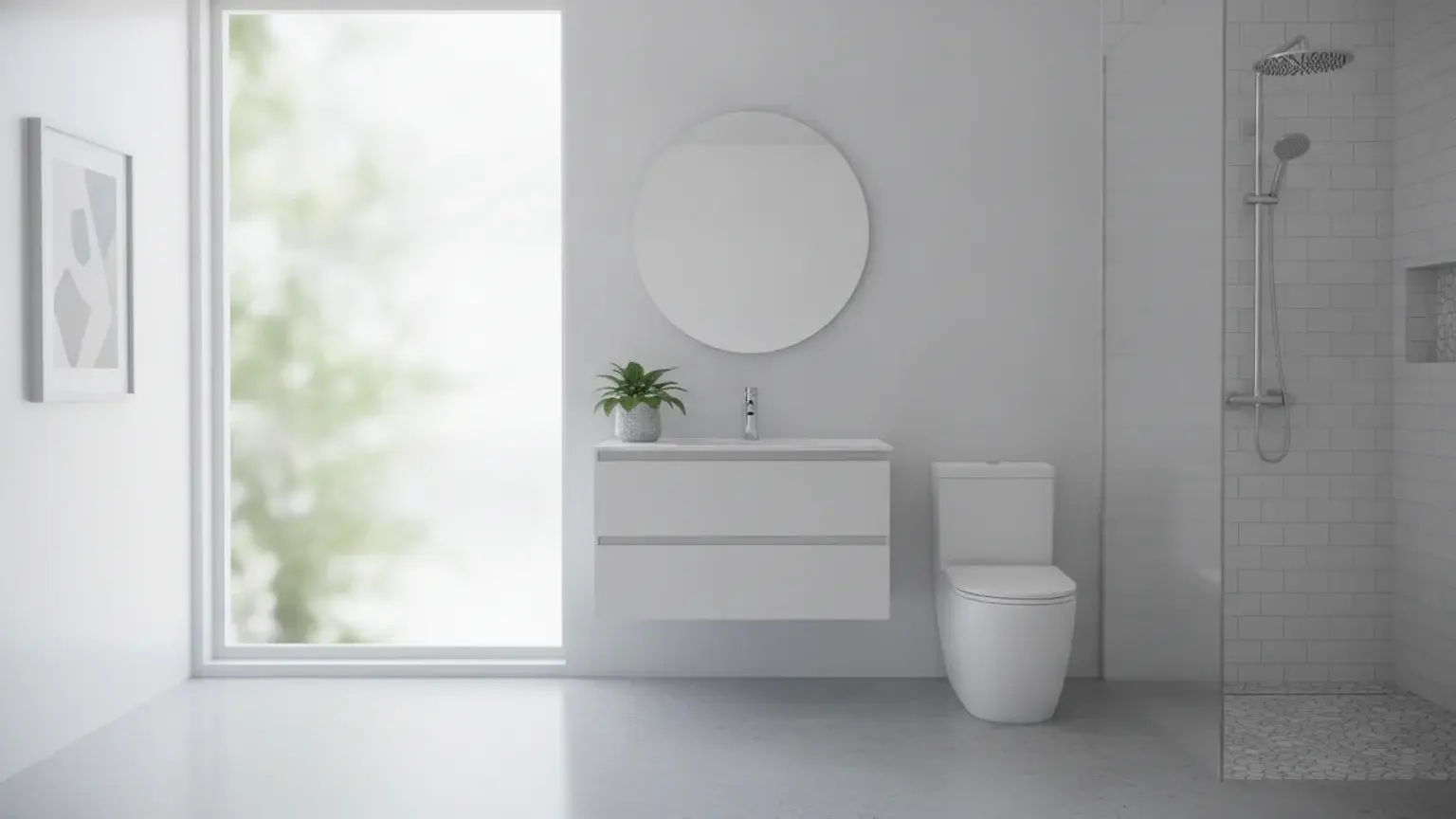
Making your home more environmentally friendly starts with the fixtures you use every day. Eco-friendly plumbing fixtures not only reduce your water consumption and utility bills, but they also help preserve Arizona's precious water resources. For homeowners across Mesa and the greater Phoenix area, upgrading to green plumbing solutions is both a smart financial investment and an environmental responsibility.
The average American family uses more than 300 gallons of water per day at home. By installing eco-friendly plumbing fixtures, you can cut that usage by 20 to 40 percent without sacrificing performance or comfort. Here's your comprehensive guide to the best water-saving fixtures for modern green homes.
Water conservation is especially critical in the Arizona desert. Our region faces ongoing drought conditions and rising water costs, making efficiency upgrades more valuable than ever. Traditional fixtures waste thousands of gallons annually through inefficient design and outdated technology.
Modern eco-friendly plumbing fixtures use advanced engineering to deliver full performance while dramatically reducing water waste. Many qualify for rebates from local water utilities, further offsetting their initial cost. The typical household recoups the investment within two to four years through lower water and energy bills.
For Mesa homeowners looking to upgrade their bathroom plumbing, choosing green fixtures is one of the most impactful changes you can make.
Toilets account for nearly 30 percent of indoor water use in most homes. Older toilets manufactured before 1994 use 3.5 to 7 gallons per flush, while modern low-flow models use just 1.28 gallons or less.
Dual-flush toilets offer two flushing options: a half flush for liquid waste (typically 0.8 gallons) and a full flush for solid waste (1.6 gallons). This flexibility can save an average family of four up to 6,000 gallons per year compared to standard toilets.
Key features to look for:
Expect to pay $200 to $500 for a quality dual-flush toilet. Professional installation typically adds $150 to $300, but the long-term savings make this investment worthwhile.
HETs use 20 percent less water than standard low-flow toilets while maintaining excellent performance. They employ advanced bowl geometry and flush valve technology to clear waste effectively with just 1.28 gallons per flush.
Popular brands include Toto, Kohler, and American Standard. Look for models with a Maximum Performance (MaP) score of 800 grams or higher, indicating they can reliably handle solid waste.
Standard faucets flow at 2.2 gallons per minute (GPM), but low-flow models reduce this to 1.5 GPM or less without noticeably affecting water pressure. The secret is the aerator, which mixes air into the water stream to maintain spray force while using less water.
Look for kitchen faucets with flow rates between 1.5 and 1.8 GPM. Many feature spray modes that temporarily boost pressure for tasks like rinsing dishes, then return to low-flow operation.
Quality eco-friendly kitchen faucets include:
Bathroom faucets certified by WaterSense use a maximum of 1.5 GPM. For a family of four, this saves approximately 700 gallons per month compared to standard faucets.
Installation tip: If you're not ready to replace your entire faucet, simply swapping out the aerator costs $5 to $15 and takes minutes. This simple upgrade can reduce flow by 30 percent or more.
Showers account for about 17 percent of residential indoor water use. Traditional showerheads flow at 2.5 GPM or higher, while low-flow models deliver 2.0 GPM or less—often as low as 1.5 GPM—while still providing a satisfying shower experience.
Aerating showerheads mix air with water to maintain pressure and create a misty spray. They work well in warm climates like Mesa but can cool water slightly.
Laminar-flow showerheads produce individual water streams without mixing in air. They maintain water temperature better and work well in steam showers.
Features that enhance the eco-friendly shower experience:
A quality low-flow showerhead costs $30 to $150. The average household saves about 2,900 gallons annually per showerhead, plus the energy costs of heating that water.
Traditional tank water heaters continuously heat and reheat water, wasting significant energy. Tankless models heat water only when you turn on a tap, reducing energy consumption by 24 to 34 percent for homes using 41 gallons or less of hot water daily.
Benefits of tankless water heaters:
Installation costs range from $2,000 to $4,500 depending on fuel type and capacity. Gas models typically deliver faster flow rates but require proper venting. Electric models work well for smaller homes or point-of-use applications.
For expert advice on water heater installation, professional guidance ensures you choose the right size and type for your household's needs.
Even small leaks waste thousands of gallons annually, and most homeowners don't discover them until damage occurs. Smart water monitors detect unusual flow patterns and alert you to potential leaks through smartphone apps.
Popular systems include:
These systems cost $300 to $700 but can prevent catastrophic water damage. They also provide daily usage tracking to help you identify conservation opportunities.
Greywater systems capture water from showers, sinks, and washing machines for landscape irrigation. In Arizona's climate, this is an excellent way to maintain landscaping without increasing your municipal water use.
Basic laundry-to-landscape systems cost $200 to $500 and can be DIY-installed. More complex whole-home systems require professional installation and cost $2,000 to $5,000, but they can reduce outdoor water use by 40 to 50 percent.
Important considerations:
While some eco-friendly plumbing upgrades are DIY-friendly (like aerators and showerheads), others require professional installation. Toilets, faucets, and especially tankless water heaters involve plumbing modifications that benefit from expert knowledge.
Professional installation ensures:
If you're in Mesa or surrounding areas, working with experienced plumbers in Mesa, AZ means your eco-friendly upgrades are installed correctly the first time.
Understanding the return on investment helps prioritize which fixtures to upgrade first. Here's a simple comparison for a typical family of four:
| Fixture Upgrade | Water Saved/Year | Annual Cost Savings | Payback Period | |----------------|------------------|---------------------|----------------| | Low-flow toilet (×2) | 25,000 gallons | $200-250 | 2-3 years | | Low-flow showerheads (×2) | 5,800 gallons | $90-120 | 1-2 years | | Faucet aerators (×3) | 8,400 gallons | $65-85 | one year | | Tankless water heater | Energy savings | $150-300 | 7-12 years |
Combined, these upgrades can save 40,000+ gallons of water annually and reduce utility costs by $500 to $750 per year. The environmental impact includes reduced strain on water treatment facilities and lower energy consumption for water heating.
Start with the highest-impact, lowest-cost upgrades like aerators and showerheads. As budget allows, replace toilets during bathroom remodels and consider tankless water heaters when your current unit reaches end-of-life.
Many Arizona utilities offer rebates for water-efficient fixtures. Check with your local water department before purchasing to maximize your savings. Some programs reimburse $50 to $150 per toilet and offer free aerators or showerheads.
Eco-friendly plumbing fixtures represent a win-win investment: lower bills, reduced environmental impact, and increased home value. Modern green fixtures perform as well as or better than traditional models while using a fraction of the water and energy.
Whether you're building new, remodeling, or simply looking to reduce your environmental footprint, these fixtures provide measurable benefits from day one. The combination of Arizona's water scarcity, rising utility costs, and improving technology makes now the perfect time to upgrade to eco-friendly plumbing solutions.

Judds Plumbing
Over 25 Years Of Plumbing Experience In The Plumbing Industry
We are an owner operated Commercial & Residential Plumbing company in Arizona. We are ready to provide Plumbing Services for all your Plumbing needs.
Our primary services areas includes: Mesa, Tempe, Chandler, Gilbert, Queen Creek, Apache Junction, Sun Lakes, Ahwatukee and Scottsdale.



ROC 340237 Specialty Dual Plumbing License CR-37
Commercial & Residential
OSHA 30 Certified
Call Justin at 623-304-5833 or 623-304-JUDD
Web Design by Gilbert Web Design Copyright 2024 all rights reserverd