Safe Water Practices: Avoiding Contamination Risks
2026-01-31
Safe Water Practices: Avoiding Contamination Risks
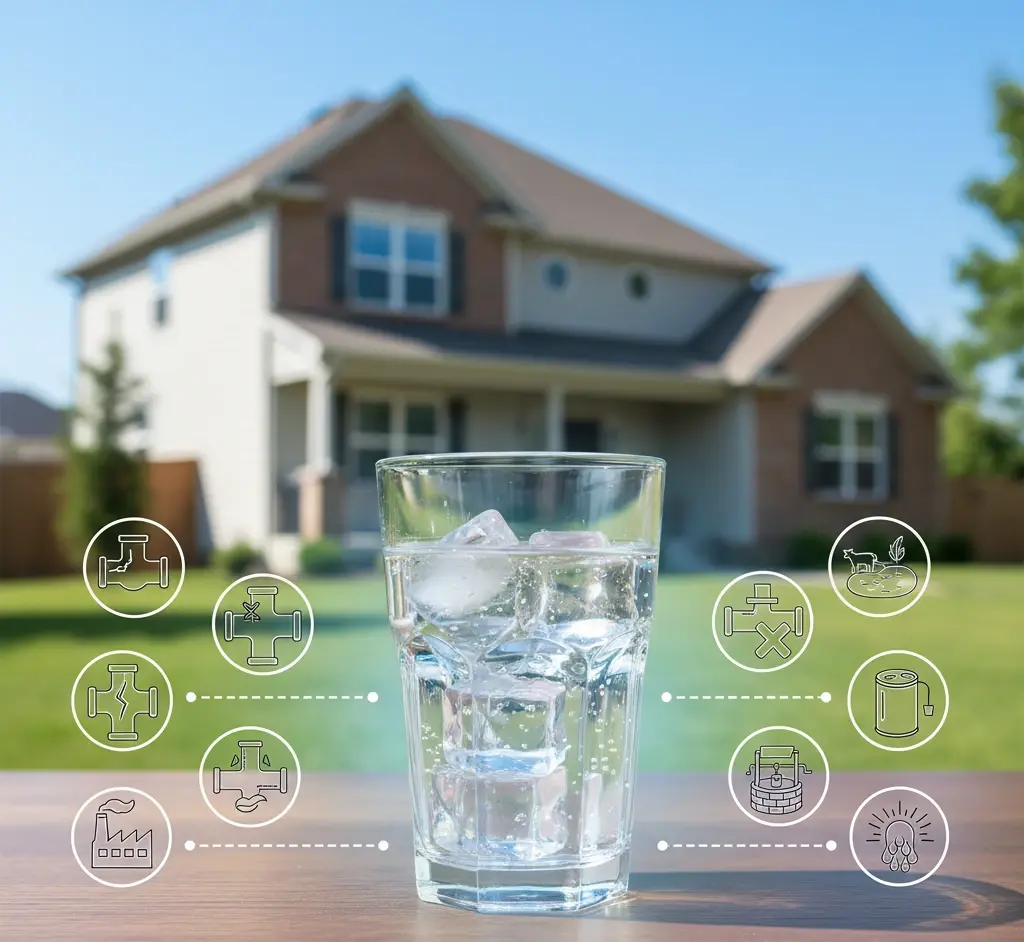
Clean, safe drinking water is something many of us take for granted—until something goes wrong. Every day, your home's water system faces potential contamination risks from sources both inside and outside your property. At Judd's Plumbing, we believe that understanding these risks is the first step toward protecting your family's health. Here's what every homeowner needs to know about safe water practices and contamination prevention.
Understanding Water Contamination: The Basics
Water contamination occurs when harmful substances enter your drinking water supply. These contaminants can be:
Biological: Bacteria, viruses, and parasites that cause illness
Chemical: Pesticides, industrial chemicals, and heavy metals
Physical: Sediment, rust, and particulate matter
Radiological: Rare but serious radioactive elements
Common Contamination Sources in Homes
Cross-Connections: The Hidden Danger
A cross-connection is any point where potable (drinking) water connects to a non-potable source. These represent the most common and dangerous contamination risks:
Garden Hoses Submerged in Buckets: When left in buckets containing chemicals or dirty water, back-siphonage can pull contaminants into your plumbing.
Lawn Irrigation Systems: Fertilizers, pesticides, and animal waste from your yard can be drawn back into your water supply.
Swimming Pools and Spas: Chlorinated water and chemicals can backflow into household lines.
Boiler Systems: Treated water from heating systems contains chemicals that shouldn't enter drinking water.
Sinks with Sprayers: Submerged sprayers can create cross-connections with contaminated sink water.
Old or Damaged Pipes
- Lead Pipes: Common in homes built before 1986, lead leaches into water, especially when water sits in pipes for hours.
- Corroded Copper: Old copper pipes can release copper into water, causing metallic taste and potential health effects.
- Galvanized Steel: These rust internally, trapping sediment and bacteria while releasing iron and other metals.
Well Water Vulnerabilities
Homes with private wells face unique contamination risks:
- Surface Runoff: Rain can carry bacteria and chemicals into wells
- Septic System Proximity: Poorly located septic systems contaminate groundwater
- Natural Mineral Contamination: Arsenic, radon, and other naturally occurring substances
- Well Casing Damage: Cracks allow surface water to enter directly
Municipal Water System Issues
Even public water supplies face occasional challenges:
- Main Breaks: Pressure drops during repairs can allow contaminants to enter
- Biofilm in Distribution Pipes: Bacteria can grow in older municipal systems
- Treatment Upsets: Rare but possible failures in water treatment processes
Recognizing Potential Contamination
Physical Signs
- Cloudy or Murky Water: May indicate sediment or air bubbles (persistent cloudiness suggests contamination)
- Discoloration: Brown, yellow, or reddish water suggests rust or sediment
- Visible Particles: Any floating or settling particles warrant investigation
Taste and Odor
- Metallic Taste: Often indicates copper, iron, or lead
- Rotten Egg Smell: Sulfur bacteria or potential sewer gas contamination
- Chlorine Odor: Excessive treatment chemicals or recent main flushing
- Musty or Earthy Taste: Possible algae or bacterial byproducts
Health Indicators
If family members experience unexplained:
- Gastrointestinal illness
- Nausea or vomiting
- Skin irritation after bathing
- Ongoing fatigue or headaches
Consider water testing as part of your investigation.
Essential Safe Water Practices for Every Home
1. Install and Maintain Backflow Prevention Devices
Every home should have proper backflow prevention at:
- Main water service entrance: Protects entire home
- Irrigation systems: Required by code in most areas
- Boiler and heating systems: Prevents chemical backflow
- Hose bibs: Simple vacuum breakers on all outdoor faucets
Annual testing of backflow devices ensures they function when needed.
2. Practice Proper Cross-Connection Prevention
- Never submerge hoses in buckets, pools, or sinks
- Use hose bib vacuum breakers on all outdoor faucets
- Keep sprayer heads above sink level when not in use
- Install anti-siphon valves on all hose connections
3. Flush Stagnant Water
After vacations or periods of low water use:
- Run cold water taps for 2-3 minutes before using
- Flush all toilets several times
- Run dishwasher and washing machine through a cycle
- Drain and refresh water heater if unused for extended periods
4. Maintain Your Water Heater
- Flush annually to remove sediment that harbors bacteria
- Maintain proper temperature (120°F at fixtures prevents bacterial growth)
- Replace anode rods as needed to prevent tank corrosion
5. Use Water Filters Appropriately
- Choose filters certified for contaminants present in your water
- Replace cartridges according to manufacturer schedules
- Old filters become breeding grounds for bacteria
- Consider point-of-use filters for drinking water only
Professional Water Testing: When and Why
When to Test Your Water
- Annually: For private well owners
- After Plumbing Work: Following major repairs or repiping
- When Moving In: New home purchase should include water testing
- Pregnancy or New Baby: Extra precaution for vulnerable family members
- After Flooding: Floods can introduce contaminants to wells and systems
- Unexplained Illness: When family members show symptoms
What Professional Testing Includes
Judd's Plumbing coordinates comprehensive water testing that screens for:
- Bacteria: Coliform and E. coli
- Heavy Metals: Lead, copper, arsenic, cadmium
- Chemical Contaminants: Nitrates, pesticides, industrial chemicals
- Physical Properties: pH, hardness, turbidity
- Disinfection Byproducts: Chlorine residuals and related compounds
Understanding Test Results
We help you interpret laboratory reports and understand:
- Safe Levels: What concentrations are acceptable
- Immediate Actions: Steps to take if contaminants exceed safety limits
- Treatment Options: Appropriate filtration or treatment systems
- Monitoring Frequency: Recommended testing schedule going forward
Treatment Solutions for Contaminated Water
Point-of-Use Systems
- Reverse Osmosis: Removes heavy metals, nitrates, and many chemicals
- Activated Carbon Filters: Effective for chlorine, taste, and odor issues
- UV Disinfection: Kills bacteria and viruses
- Distillation: Removes virtually all contaminants
Whole-House Solutions
- Water Softeners: Address hard water minerals
- Acid Neutralizers: Correct low pH that corrodes pipes
- Iron Filters: Remove rust and iron bacteria
- Chlorination Systems: Disinfect bacterial contamination
- Backflow Preventers: Protect against cross-connections
Emergency Measures
If you suspect serious contamination:
- Stop using water immediately for drinking and cooking
- Use bottled water for all consumption
- Call Judd's Plumbing for emergency assessment
- Notify local health department if contamination is widespread
Your Family's Health Starts with Safe Water
Safe drinking water isn't automatic—it requires awareness, maintenance, and occasional professional intervention. By understanding contamination risks and practicing preventive measures, you protect your family from invisible threats.
Schedule a Water Safety Assessment:
Call Judd's Plumbing at 623-304-5833
Visit: juddsplumbingaz.com
Don't take your water for granted. Trust the water quality experts at Judd's Plumbing to identify risks and provide solutions that keep your family healthy and hydrated.