Judd's Plumbing
Blog
2026-07-16
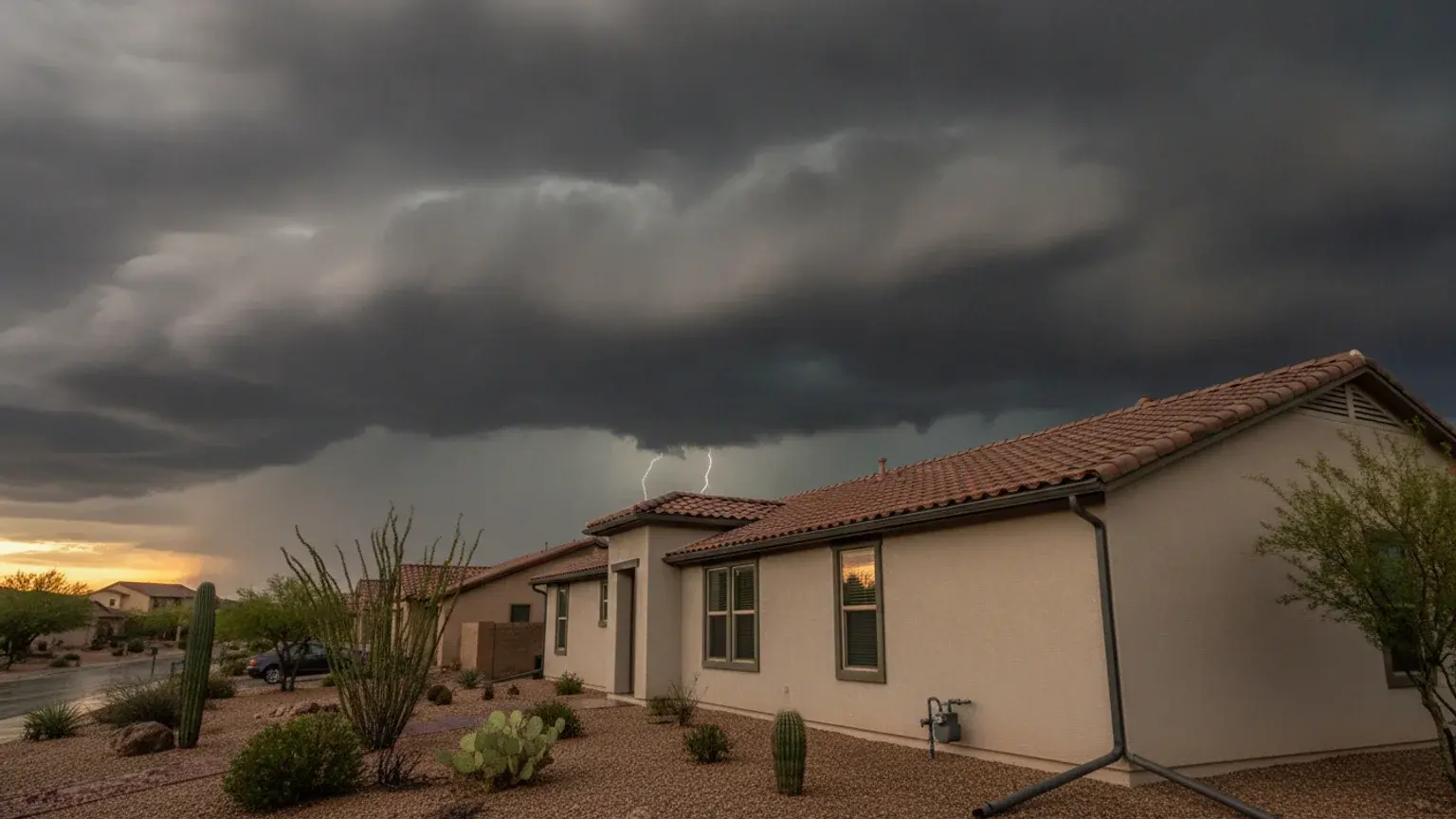
Arizona's monsoon season brings intense storms that can overwhelm drainage systems and flood homes in minutes. From late June through September, Phoenix and the East Valley experience sudden downpours, high winds, and flash flooding that test every home's water management systems. Understanding how to protect your property from monsoon water damage before the storms arrive saves you from costly repairs and insurance headaches.
Most Valley homeowners know monsoons are coming, but many don't realize how vulnerable their homes are until water backs up through drains, floods the garage, or seeps through foundation cracks. The good news is that most monsoon water damage is preventable with the right preparation and a few strategic improvements to your plumbing and drainage systems.
Arizona monsoons are different from typical rainstorms. These weather systems develop quickly and dump enormous amounts of rain in very short periods—sometimes an inch or more in less than an hour. Unlike gradual rainfall that soaks into the ground, monsoon rain hits hard and fast, creating several specific threats:
The desert soil can't absorb water quickly, especially after months of dry heat have hardened the ground surface. When monsoon rains hit, water runs across the surface rather than soaking in. This runoff flows toward low points, overwhelms storm drains, and can pool against your foundation or rush into your yard.
Your home's drainage systems—gutters, downspouts, yard drains, and sewer lines—face their biggest test during monsoon season. A typical Valley roof measuring 2,000 square feet sheds roughly 1,250 gallons of water during a one-inch rainfall. If your gutters are clogged or your downspouts drain too close to your foundation, that water goes exactly where you don't want it.
Municipal sewer systems can back up during heavy monsoons, especially in older neighborhoods. When storm water overwhelms the system or tree roots block pipes, sewage can flow backward into your home through floor drains, toilets, or tubs. This creates not just water damage but a serious health hazard.
The best time to protect your home from monsoon water damage is before the season starts. Early June is ideal for these inspection and maintenance tasks:
Clogged gutters are the number one cause of preventable monsoon water damage. When gutters fill with debris, water overflows directly against your walls and foundation.
Clean gutters should drain freely with no standing water. If you see water pooling anywhere in the gutter, you either have a clog or the gutter needs re-pitching to slope toward the downspouts.
Your downspouts should carry water at least 6-10 feet away from your foundation. Dumping water right next to your house creates hydrostatic pressure against basement walls and can cause foundation settling.
In areas with heavy clay soil common around Mesa and Gilbert, water doesn't soak in quickly, so longer extensions are even more important.
The ground around your home should slope away from the foundation, creating positive drainage. Over time, settling, landscaping changes, and erosion can reverse this slope.
Pay special attention to areas where concrete patios or walkways meet your foundation—these are common spots where water can flow toward the house instead of away from it.
Homes with basements or below-grade areas should have working sump pumps. While less common in the Valley than in other regions, some homes in areas like Ahwatukee have these systems.
Small cracks in your foundation or exterior walls can become major water entry points during intense monsoon downpours.
Arizona's extreme temperature swings cause concrete to expand and contract, creating cracks over time. Addressing these before monsoon season prevents water intrusion.
Your home's plumbing system needs specific attention before monsoon season because heavy rains can overwhelm drains and expose hidden weaknesses.
Floor drains in garages, basements, and laundry rooms need to be clear and functional before storms hit.
If you have floor drains that haven't been used in months, the water in the P-trap may have evaporated, leaving an open path for sewer gases or even backup water to enter your home.
A backwater valve prevents sewage from flowing backward into your home during sewer system overloads. Our residential plumbing team can install these devices in your main sewer line.
Homes in older neighborhoods with combined storm and sewer systems face higher backup risk and benefit most from backwater valves.
Water heaters in garages or other areas prone to flooding need protection. While not directly related to monsoon water damage prevention, a flooded water heater can add thousands in repair costs.
Every household member should know where the main water shutoff is and how to operate it. If monsoon damage breaks a pipe or floods an area, shutting off water quickly limits the destruction.
If your property has recurring drainage problems or you're in a flood-prone area, these improvements provide better monsoon water damage protection:
A French drain system intercepts and redirects groundwater before it reaches your foundation. This involves a gravel-filled trench with a perforated pipe that carries water away.
Surface channel drains collect water flowing across driveways, patios, or other hardscaping and direct it to storm drains or appropriate drainage areas.
A dry well is an underground structure that collects and slowly disperses water into the surrounding soil. They're particularly useful when you have nowhere to direct downspout water.
Arizona's caliche layer can complicate dry well installation—you may need to dig through hardpan to reach soil that absorbs water effectively.
When a monsoon storm hits, a few quick actions can prevent water damage:
If water enters your home during a storm, don't try to stop it at the source while the monsoon is active. Focus on protecting valuables and getting people to safety. Address the water source after the storm passes.
Once the monsoon passes, inspect your property promptly to identify any damage or drainage problems:
If you discover water in your home, the first 24-48 hours are critical for preventing mold growth. Extract standing water immediately, increase ventilation, and consider professional water damage restoration if the problem is significant.
Some monsoon-related plumbing issues require professional expertise:
Gilbert, Mesa, and Chandler residents dealing with monsoon water damage can rely on our experience with Valley-specific drainage challenges. We understand how desert soil, caliche layers, and local infrastructure affect your home's vulnerability.
Beyond seasonal preparation, consider these permanent improvements for homes in flood-prone areas:
Strategic landscaping directs water away from your home naturally:
Concrete, pavers, and other hardscaping can either help or hurt drainage:
For homes with recurring water intrusion, professional foundation waterproofing provides comprehensive protection:
Investing in monsoon water damage prevention costs far less than repairing flood damage. Consider these typical costs:
Prevention (approximate costs):
Flood damage repair (approximate costs):
Most homeowners insurance policies have significant deductibles for water damage, and coverage may be limited if the insurer determines the damage resulted from poor maintenance.
Protecting your home from monsoon water damage requires a combination of seasonal maintenance, drainage improvements, and emergency preparedness. Start with the pre-monsoon checklist each May, address any drainage problems you've noticed, and keep contact information handy for plumbing emergencies.
Arizona's monsoon season is predictable—the storms arrive every year. The difference between a home that survives unscathed and one that suffers significant water damage often comes down to a few hours of preparation and a few hundred dollars in preventive maintenance. Take action before the first storms arrive, and your home will be ready when the monsoons begin.
Judds Plumbing
Over 25 Years Of Plumbing Experience In The Plumbing Industry
We are an owner operated Commercial & Residential Plumbing company in Arizona. We are ready to provide Plumbing Services for all your Plumbing needs.
Our primary services areas includes: Mesa, Tempe, Chandler, Gilbert, Queen Creek, Apache Junction, Sun Lakes, Ahwatukee and Scottsdale.



ROC 340237 Specialty Dual Plumbing License CR-37
Commercial & Residential
OSHA 30 Certified
Call Justin at 623-304-5833 or 623-304-JUDD
Web Design by Gilbert Web Design Copyright 2024 all rights reserverd