
Judd's Plumbing
Blog
2026-06-16
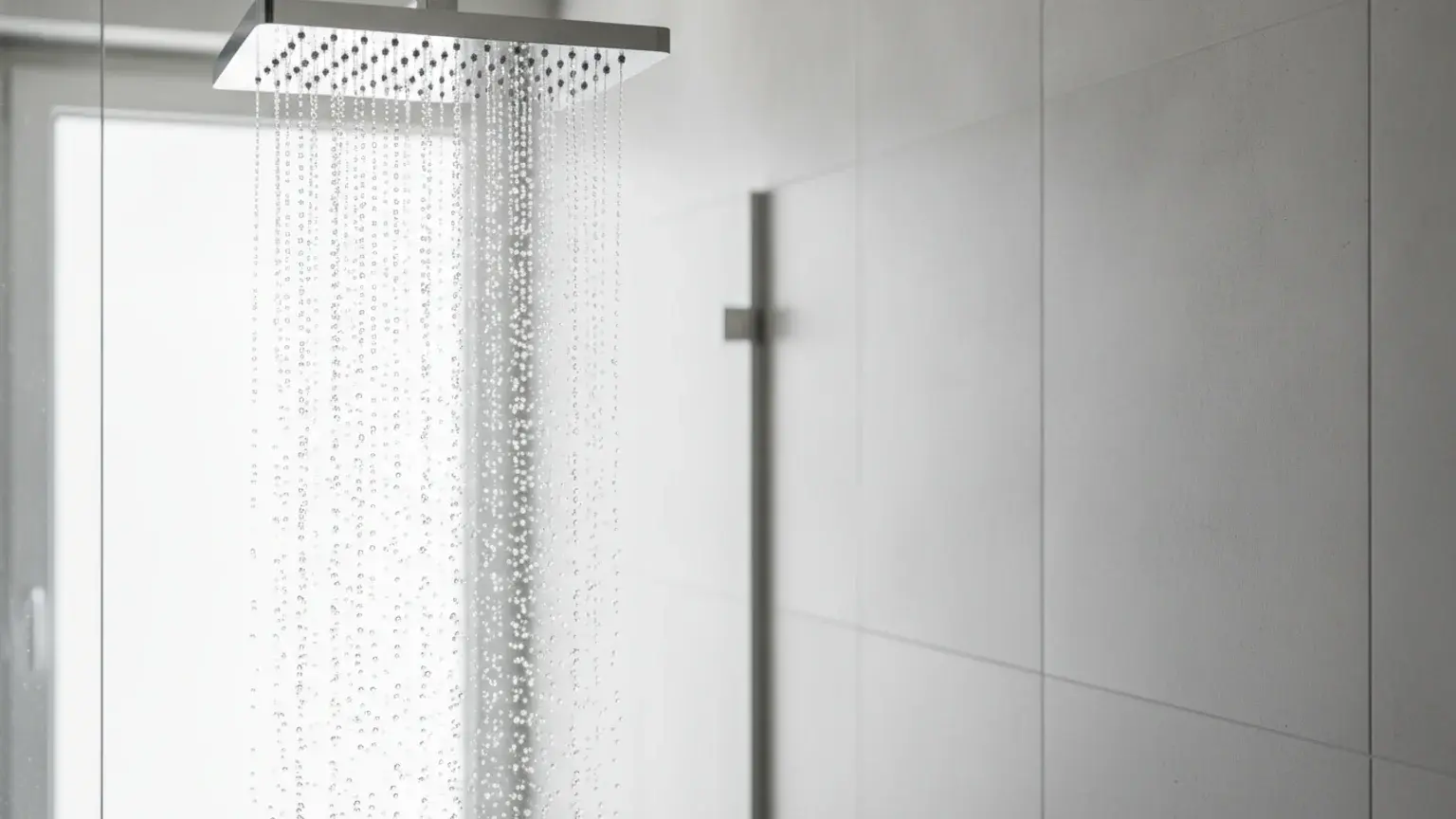
Low-flow showerheads have a reputation problem. Many homeowners worry that switching to a water-saving model means enduring a weak, disappointing trickle instead of a satisfying shower. The good news? Modern low-flow showerheads deliver powerful pressure while cutting your water bill and helping Arizona conserve precious resources.
If you're a Mesa homeowner tired of high utility bills or want to make your home more eco-friendly without giving up comfort, you can have both savings and performance. Here's everything you need to know about choosing low-flow showerheads that actually work.
A low-flow showerhead uses 2.0 gallons per minute (GPM) or less, compared to older models that can blast through 2.5 to 5.0 GPM. Federal standards cap new showerheads at 2.5 GPM, but truly efficient models go lower.
The magic happens through engineering. Modern low-flow designs use air injection, pressure compensation, and precise nozzle patterns to make every drop count. Instead of simply restricting water flow—which creates that dreaded weak spray—quality low-flow showerheads manipulate water velocity and droplet size to maintain the sensation of strong pressure.
For context, a family of four taking 10-minute showers daily with a 2.5 GPM showerhead uses about 36,500 gallons annually. Drop that to 1.5 GPM, and you save nearly 15,000 gallons per year—significant in our Mesa desert climate where water conservation matters.
Not all low-flow showerheads work the same way. Understanding the technology helps you pick the right one for your household.
These showerheads pull in air and mix it with water before it exits the nozzle. The result is larger droplets that feel more forceful against your skin, even though actual water volume is reduced. Brands using this approach often market it as "aeration" technology.
The downside? Aerated spray cools slightly faster, which matters less in Arizona but can be noticeable in winter months.
These deliver individual streams of water without mixing in air. Laminar-flow showerheads maintain water temperature better and create a more focused, massage-like spray pattern. They're ideal if you want that powerful, targeted feeling.
They also work better with hard water common in Mesa, since the non-aerated design is less prone to mineral buildup affecting spray patterns.
If your home has fluctuating water pressure—common in older neighborhoods or homes with bathroom plumbing that serves multiple fixtures—pressure-compensating showerheads automatically adjust flow. They maintain consistent performance whether your pressure is 40 PSI or 80 PSI.
When shopping for low-flow showerheads, these features separate excellent from mediocre:
Material quality matters more than you'd think. A $30 showerhead with plastic internals might start strong but lose pressure within months as Arizona's hard water deposits clog the nozzles. Investing $60-100 in a quality model pays off in longevity.
Even the best low-flow showerhead won't perform well if your plumbing works against it. Here's how to optimize your installation:
First, remove your old showerhead and check the shower arm (the pipe coming out of the wall). If you see a flow restrictor washer inside the arm—a small plastic disc with a tiny hole—remove it. Many low-flow heads already have built-in restrictors, and doubling up kills pressure.
Clean the threads thoroughly with an old toothbrush. Mineral deposits here create leaks that reduce pressure. Wrap the threads with 3-4 layers of plumber's tape (clockwise when looking at the end of the pipe), then hand-tighten your new showerhead.
Don't overtighten. Use a wrench only if needed, wrapping the showerhead nut with a cloth to prevent scratching. Over-torquing can crack plastic components and actually reduce water flow.
If your water pressure is genuinely low (under 40 PSI), test it with a gauge available at hardware stores. Low pressure might indicate issues beyond the showerhead—partially closed main valves, corroded pipes, or sediment buildup. For homes in Mesa with older plumbing, a professional inspection can identify these bottlenecks.
You should notice the difference immediately when you upgrade from an old 2.5+ GPM model to a quality 1.8 GPM low-flow head. The spray pattern should feel focused and energetic, not scattered or limp.
Timing your shower is revealing. If you currently take a 10-minute shower, you'll use 18 gallons with a 1.8 GPM head versus 25 gallons with a 2.5 GPM model. That's 7 gallons saved per shower—more than 2,500 gallons annually for one person.
The financial impact adds up. Mesa's water rates average about $3.50 per 1,000 gallons (including sewer charges). For that single person, switching saves roughly $9 annually. For a family of four, that becomes $35-40 per year just from showerheads, plus reduced water heating costs.
Heating water typically accounts for the second-largest energy expense in Arizona homes. Reducing hot water usage by 25-30% through efficient showerheads can cut your water heater's energy consumption proportionally, adding another $50-75 in annual savings depending on your fuel type.
If your new low-flow showerhead feels weak, don't give up yet. Several fixable issues might be the culprit:
As mentioned earlier, some installations accidentally stack restrictors. Unscrew the showerhead and look inside both the head and the shower arm. Remove any additional restrictors—you only need the one built into the showerhead itself.
Mineral deposits from hard water can clog nozzles within weeks. Remove the showerhead and soak it overnight in white vinegar to dissolve buildup. Use a toothpick to clear individual nozzle holes. Repeat this maintenance every 3-6 months in Mesa's hard-water conditions.
Screw a pressure gauge onto an outdoor hose bib and turn it on full. Residential water pressure should read 45-65 PSI. Below 40 PSI, even premium showerheads struggle. Above 80 PSI, you risk damaging fixtures and should consider a pressure-reducing valve.
Homes built before 1990 might have galvanized steel pipes that corrode internally, restricting flow. If only your shower has pressure issues while other fixtures work fine, the problem likely sits in the shower valve or the dedicated supply lines. This requires professional diagnosis through bathroom plumbing services.
While we don't endorse specific brands, certain characteristics work better in our environment:
Look for models explicitly rated for hard water performance. Self-cleaning silicone nozzles resist buildup better than fixed metal jets. Some manufacturers offer models with removable faces for easier deep cleaning—valuable when you're dealing with Mesa's mineral-heavy water.
Rainfall-style showerheads look luxurious but perform poorly as low-flow models because they rely on high volume to create that "rain" effect. Stick with traditional or handheld designs that use focused streams.
Handheld models offer flexibility and actually improve perceived pressure because you control the distance and angle. Look for handheld low-flow showerheads with pause buttons—these let you stop flow while soaping up, saving even more water without constantly adjusting temperature.
Installing a showerhead is straightforward DIY, but underlying problems require expertise. Call a professional plumber if:
Professional installation also makes sense when adding features like multiple showerheads or body sprays, where calculating combined flow rates and ensuring adequate pressure requires expertise.
Modern low-flow showerheads prove you don't have to choose between comfort and conservation. Quality models engineered with air injection or laminar-flow technology deliver satisfying pressure while using 20-40% less water than standard fixtures.
For Mesa homeowners, the benefits extend beyond lower utility bills. Reduced water consumption helps preserve our limited desert water supply, and decreased hot water usage lowers energy costs year-round. Multiply those savings across years of daily showers, and a $75 showerhead pays for itself many times over.
The key is choosing a certified model with the right technology for your preferences, installing it correctly, and maintaining it regularly in our hard-water environment. When you get those elements right, you'll wonder why you waited so long to upgrade.
If you're unsure about your home's water pressure or need help diagnosing bathroom plumbing issues affecting performance, the experienced team at Judd's Plumbing serves Mesa and surrounding areas with honest assessments and quality workmanship. Sometimes the best upgrade starts with understanding what your existing system can support.

Judds Plumbing
Over 25 Years Of Plumbing Experience In The Plumbing Industry
We are an owner operated Commercial & Residential Plumbing company in Arizona. We are ready to provide Plumbing Services for all your Plumbing needs.
Our primary services areas includes: Mesa, Tempe, Chandler, Gilbert, Queen Creek, Apache Junction, Sun Lakes, Ahwatukee and Scottsdale.



ROC 340237 Specialty Dual Plumbing License CR-37
Commercial & Residential
OSHA 30 Certified
Call Justin at 623-304-5833 or 623-304-JUDD
Web Design by Gilbert Web Design Copyright 2024 all rights reserverd