
Judd's Plumbing
Blog
2026-09-16
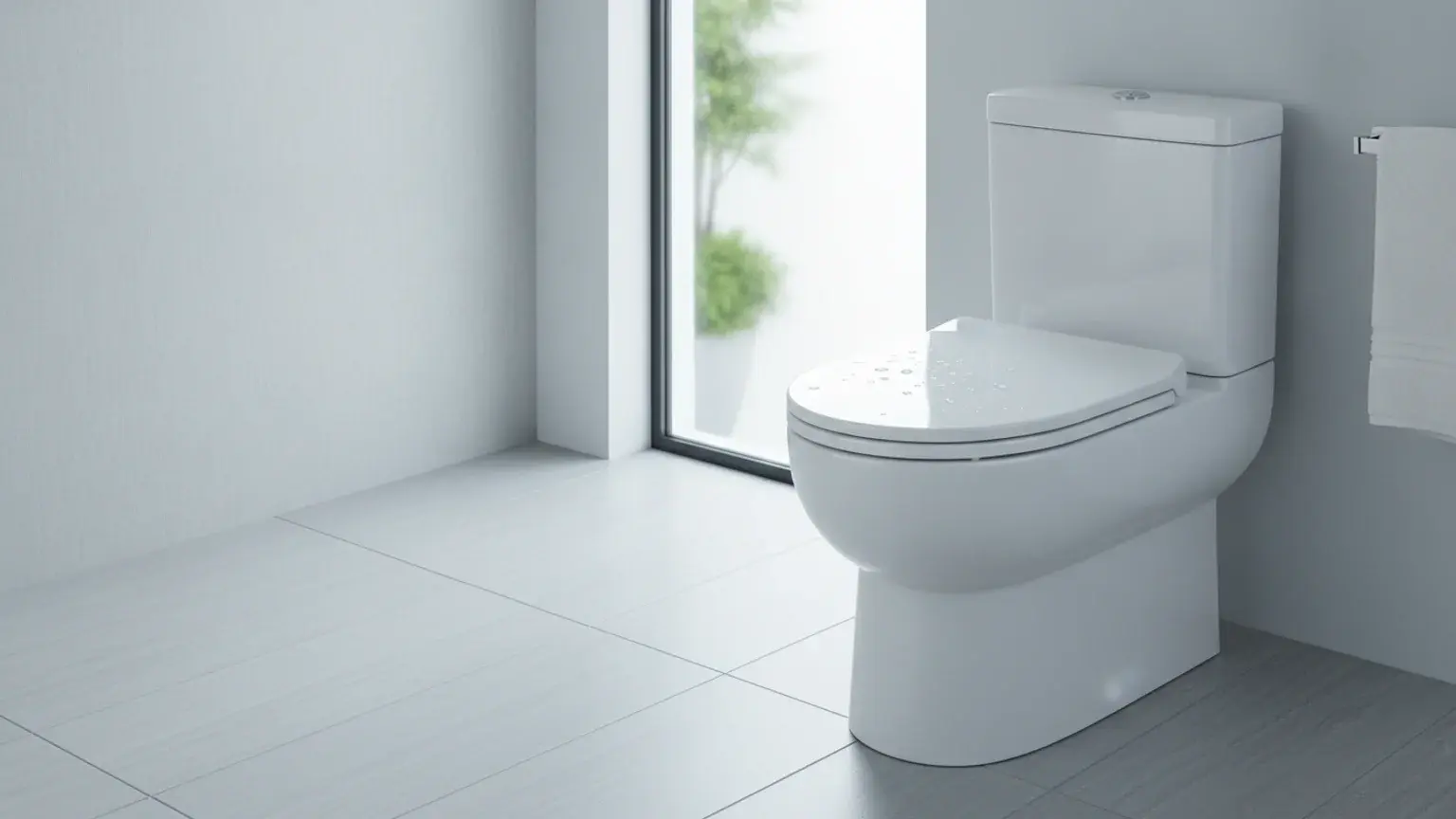
High-efficiency toilets promise to cut your water bill in half while delivering powerful flushes—but with price tags ranging from $150 to over $800, many homeowners wonder if the investment is worth it. The short answer: it depends on your household's usage, your current toilet's age, and how long you plan to stay in your home.
This guide breaks down what high-efficiency toilets actually deliver, how they compare to standard models, and whether the performance justifies the price for Mesa homeowners and families across the Phoenix area.
High-efficiency toilets (HETs) use 1.28 gallons per flush or less, compared to older toilets that can use 3.5 to 7 gallons per flush. The EPA's WaterSense label certifies toilets that meet strict efficiency and performance standards.
The technology behind HETs has improved dramatically over the past decade. Early low-flow toilets from the 1990s earned a bad reputation for weak flushes and frequent clogs. Modern high-efficiency models use better bowl geometry, larger trapways, and advanced flushing mechanisms to move waste effectively with less water.
There are three main types of high-efficiency toilets:
Each type has trade-offs in noise level, maintenance needs, and upfront cost—factors we'll examine in detail below.
The biggest concern homeowners have about high-efficiency toilets is whether they'll flush properly without requiring multiple flushes, which defeats the water-saving purpose.
Independent testing by Consumer Reports and plumbing industry groups shows that top-rated HETs perform as well as or better than standard toilets at removing solid waste in a single flush. The key is choosing a model with a Maximum Performance (MaP) score of at least 500 grams—this rating measures how much solid waste a toilet can remove in one flush.
Here's what affects flushing performance in high-efficiency toilets:
Pressure-assisted models deliver the strongest flush but produce more noise and cost $100-200 more than gravity models. They're excellent for households with hard water or frequent use, but the loud flush can be startling in the middle of the night.
Dual-flush toilets offer the best water savings if everyone in your household uses the correct button. In practice, many people default to the full flush every time, which reduces the potential savings.
High-efficiency toilet prices vary widely based on features, brand, and flushing technology. Here's what Mesa homeowners can expect:
| Toilet Type | Price Range | Installation Cost | Total Investment | |-------------|-------------|-------------------|------------------| | Basic gravity HET | $150-$300 | $150-$250 | $300-$550 | | Mid-range gravity HET | $300-$500 | $150-$250 | $450-$750 | | Pressure-assisted HET | $350-$600 | $200-$350 | $550-$950 | | Premium dual-flush | $500-$800 | $150-$300 | $650-$1,100 |
Installation costs depend on whether your current plumbing setup needs modifications. If you're replacing a standard toilet with a similar footprint, installation is straightforward. Switching from a round bowl to an elongated bowl, or adding a pressure-assisted model, may require additional plumbing work.
Most homeowners in Mesa find that mid-range gravity models ($300-500) offer the best balance of performance, reliability, and cost. These models include features like:
Budget models under $200 can work well for guest bathrooms or rentals where usage is light, but they often lack the durability and features that make daily use more comfortable.
The average person flushes a toilet 5 times per day. A family of four generates about 20 flushes daily, or roughly 7,300 flushes per year.
Here's how the water savings add up when you replace an old toilet:
At Mesa's average water rates, that translates to $60-90 in annual savings for a family of four. If you're replacing a truly ancient toilet that uses 5-7 gallons per flush, your savings could reach $120-180 per year.
The payback period for a mid-range HET is typically 5-8 years based on water savings alone. If you're already planning bathroom plumbing updates or replacing a failing toilet, the incremental cost of choosing an HET over a standard-efficiency model is minimal.
Dual-flush toilets can save an additional 20% of water if used correctly, but real-world usage studies show that savings are often closer to 10% because people don't always choose the appropriate flush.
Mesa homeowners face unique plumbing challenges that affect toilet performance and longevity:
Arizona's hard water contains high levels of calcium and magnesium that create mineral deposits in toilet jets, siphon tubes, and under the rim. High-efficiency toilets with smaller jets can become partially blocked over time, reducing flush power.
Look for toilets with:
Annual maintenance with CLR or vinegar helps keep jets clear and maintains flush performance in hard water areas.
Many Arizona water utilities offer rebates for WaterSense-certified toilet installations, typically $75-150 per toilet. Check with your local water provider before purchasing—some rebates require pre-approval or specific documentation.
The rebate can cover 30-50% of the cost of a budget or mid-range HET, dramatically shortening the payback period.
After installing hundreds of toilets for Mesa families, we've learned which features actually improve daily life and which are just marketing gimmicks:
Stick with a well-engineered, well-reviewed model in white rather than paying extra for gadgets that complicate repairs.
Many DIY-savvy homeowners can handle a straightforward toilet replacement, but several situations call for professional help:
Professional installation through toilet installation and repair services typically includes:
The $150-300 you spend on professional installation protects your investment and ensures the toilet performs as designed from day one.
High-efficiency toilets are absolutely worth the investment if:
Choose a mid-range model ($300-500) with a strong MaP rating, comfort height, and WaterSense certification. This price range delivers reliable performance without unnecessary features that can break.
High-efficiency toilets may not be your best choice if:
In these cases, wait until your current toilet needs replacement rather than upgrading purely for water savings.
High-efficiency toilets have come a long way from the weak-flushing models of the 1990s. Today's HETs combine genuine water savings with strong performance, but success depends on choosing the right model for your needs and ensuring proper installation.
For most Mesa households, a mid-range gravity-fed HET provides the best combination of upfront cost, long-term savings, and daily performance. Add in potential utility rebates, and the investment becomes even more attractive.
The key is matching the toilet to your household's specific needs—flush frequency, user ages and abilities, water quality, and budget—rather than simply choosing the cheapest or most expensive option.

Judds Plumbing
Over 25 Years Of Plumbing Experience In The Plumbing Industry
We are an owner operated Commercial & Residential Plumbing company in Arizona. We are ready to provide Plumbing Services for all your Plumbing needs.
Our primary services areas includes: Mesa, Tempe, Chandler, Gilbert, Queen Creek, Apache Junction, Sun Lakes, Ahwatukee and Scottsdale.



ROC 340237 Specialty Dual Plumbing License CR-37
Commercial & Residential
OSHA 30 Certified
Call Justin at 623-304-5833 or 623-304-JUDD
Web Design by Gilbert Web Design Copyright 2024 all rights reserverd