
Judd's Plumbing
Blog
2026-10-23
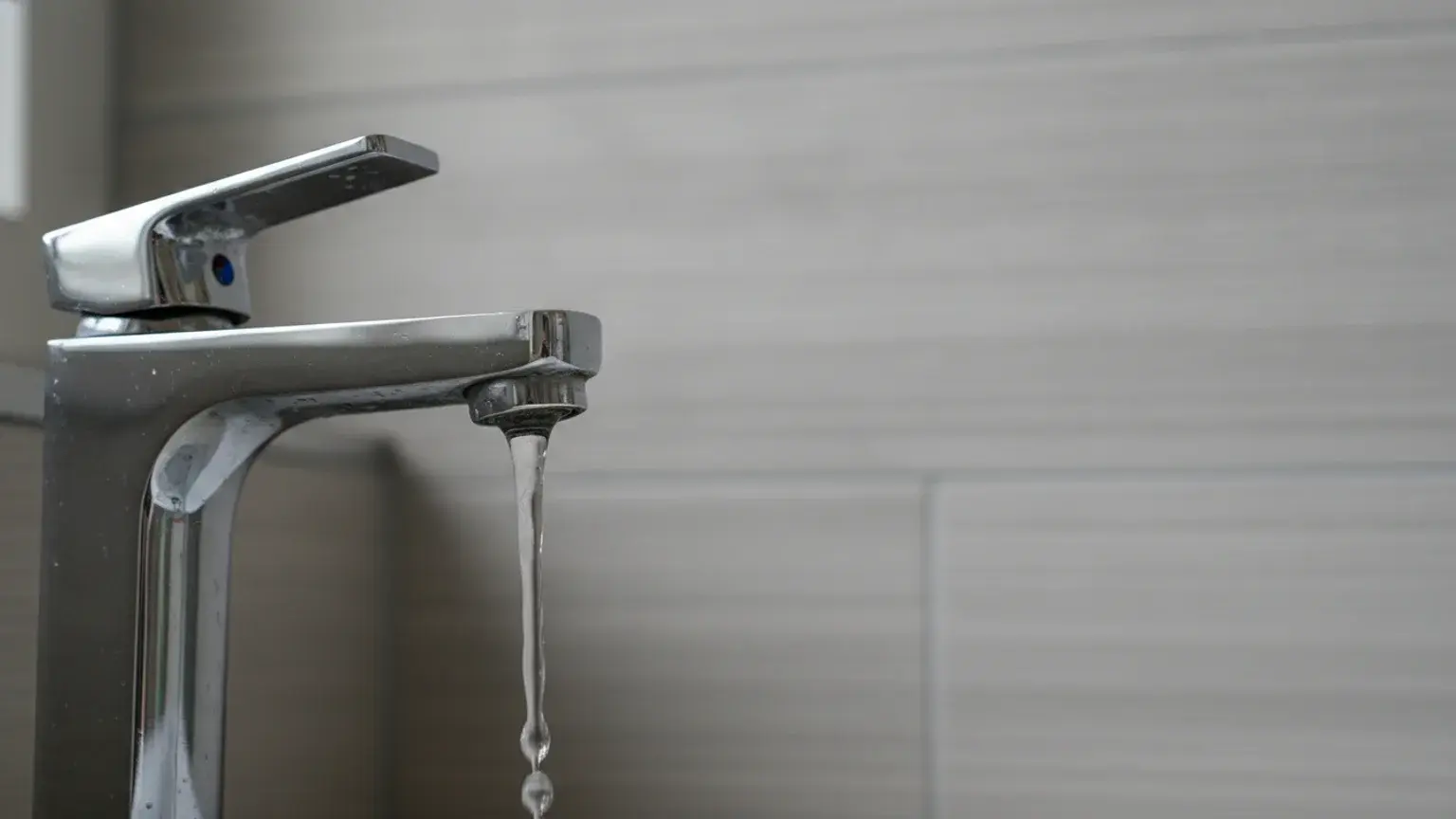
Nothing deflates a good morning shower faster than weak, dribbling water flow. Low water pressure is one of the most common plumbing complaints homeowners face, and it can affect everything from washing dishes to filling the bathtub. The good news? Many causes of low water pressure are surprisingly simple to diagnose and fix yourself.
Before you assume you need major plumbing work, walk through these practical troubleshooting steps. You might solve the problem in 20 minutes with basic tools you already own.
Low water pressure means your fixtures deliver less water than they should. Normal residential water pressure typically ranges between 45 and 60 pounds per square inch (PSI). When pressure drops below 40 PSI, you'll notice sluggish flow from faucets, showers that barely rinse shampoo, and washing machines that take forever to fill.
The problem can affect your whole house or just specific fixtures. This distinction is your first clue to finding the cause. Whole-house issues point to main line problems, while isolated fixtures usually indicate local blockages or aerator issues.
In Mesa and throughout the East Valley, hard water mineral buildup is a frequent culprit behind low water pressure, especially in older homes where deposits have accumulated over years.
Before diving into fixes, confirm you actually have a pressure problem. Sometimes what feels like low pressure is actually restricted flow caused by clogged aerators or showerheads—much easier fixes.
Here's a simple test: Turn on the problematic faucet and place your thumb partially over the opening. If the water sprays forcefully against your thumb, you have adequate pressure but restricted flow. If it just puddles weakly, you genuinely have low water pressure.
This is the easiest fix and solves the problem about 60% of the time. Aerators are the little screens screwed onto the end of your faucet spouts. They mix air with water for a consistent stream, but they also trap sediment and mineral deposits.
To clean an aerator:
For showerheads, remove them by turning counterclockwise, then soak in a vinegar solution for an hour. Hard Arizona water leaves calcium and lime that literally choke off flow over time.
Turn on faucets throughout your home—kitchen, bathrooms, outdoor hose bibs. If all fixtures show low pressure, you have a whole-house issue. If only one or two fixtures are affected, the problem is localized to those specific lines or fixtures.
Whole-house low water pressure typically stems from:
Isolated low pressure usually means:
This sounds too simple, but it's a genuine oversight more often than you'd think. After plumbing work, water heater service, or even curious kids exploring the garage, main valves sometimes get partially closed.
Locate your main water shut-off valve (usually where the water line enters your home, in the garage, or outside near the water meter). The handle should be completely parallel to the pipe for full flow. If it's even slightly angled, you're restricting water to your entire house.
Gate valves (round wheel handles) should be turned fully counterclockwise. Ball valves (lever handles) should be completely in line with the pipe.
Not all homes have pressure regulators, but if yours does, it could be the problem. This bell-shaped device sits on your main water line where it enters your home. Its job is to reduce high municipal water pressure (which can exceed 100 PSI) down to safe levels for your home plumbing (typically 50-60 PSI).
When pressure regulators fail, they usually fail closed, severely restricting water flow. You might also notice fluctuating pressure—strong one moment, weak the next.
You can test this with a simple pressure gauge (available at any hardware store for about $10). Screw it onto an outdoor hose bib, turn on the water, and read the pressure. If it's below 40 PSI and you have a regulator, that's likely your culprit. Regulator replacement is a job most homeowners in Mesa prefer to leave to professionals, but at least you've identified the issue.
A leak anywhere in your plumbing system will reduce overall pressure. Even a small slab leak or pipe crack diverts water before it reaches your fixtures.
Quick leak test: Turn off all water-using appliances and fixtures in your home. Check your water meter and note the reading. Wait two hours without using any water, then check the meter again. If it moved, you have a leak somewhere.
Common leak locations include:
If you suspect a leak but can't locate it, professional leak detection services use specialized equipment to pinpoint the exact location without destructive digging.
If you only have low hot water pressure, your water heater is involved. The problem usually isn't the heater itself but the shut-off valve on the cold water supply line feeding it.
Check that the valve is fully open. Also inspect the hot water outlet on top of the heater—sediment can sometimes accumulate at this connection point in areas with hard water.
Older homes with galvanized steel pipes frequently develop internal corrosion that narrows the pipe diameter over time. If your home was built before 1970 and still has original plumbing, corroded pipes might be choking your water flow.
You can't fix this yourself—it requires pipe replacement. But knowing this is the issue helps you make informed decisions about your home's plumbing infrastructure.
Copper pipes can also develop mineral scale buildup, especially in the Phoenix area where water hardness often exceeds 200 parts per million. This accumulates gradually over decades, progressively reducing flow.
Some low water pressure causes require professional diagnosis and repair:
Call a plumber when:
Professional plumbers have tools homeowners don't, including pressure testing equipment, pipe inspection cameras, and electronic leak detectors that can find problems hidden behind walls or under concrete slabs.
Sometimes the issue originates with your water utility, not your plumbing. Main line breaks, planned pressure reductions, or supply problems can temporarily affect whole neighborhoods.
Before investing in repairs, call your water utility to ask about any known issues in your area. If neighbors are experiencing the same problem simultaneously, it's almost certainly a municipal issue that will be resolved without any action on your part.
Regular maintenance prevents most pressure issues:
A water softener can dramatically extend the life of your plumbing in areas with hard water, preventing the mineral accumulation that gradually restricts flow over time.
Most homeowners can solve low water pressure with simple troubleshooting. Start with the easy wins—clean those aerators, check your valves, and test individual fixtures. These quick fixes solve the majority of pressure complaints without any cost beyond a few minutes of your time.
When the problem persists after basic troubleshooting, you're likely dealing with regulator failure, hidden leaks, or aging pipes that require professional attention. The diagnostic steps above help you explain the situation clearly when you call for help, which makes the repair process faster and more efficient.
Remember that low water pressure isn't just annoying—it can signal underlying problems like leaks that waste water and damage your home. Addressing it promptly protects both your daily comfort and your property value.

Judds Plumbing
Over 25 Years Of Plumbing Experience In The Plumbing Industry
We are an owner operated Commercial & Residential Plumbing company in Arizona. We are ready to provide Plumbing Services for all your Plumbing needs.
Our primary services areas includes: Mesa, Tempe, Chandler, Gilbert, Queen Creek, Apache Junction, Sun Lakes, Ahwatukee and Scottsdale.



ROC 340237 Specialty Dual Plumbing License CR-37
Commercial & Residential
OSHA 30 Certified
Call Justin at 623-304-5833 or 623-304-JUDD
Web Design by Gilbert Web Design Copyright 2024 all rights reserverd