
Judd's Plumbing
Blog
2026-07-16
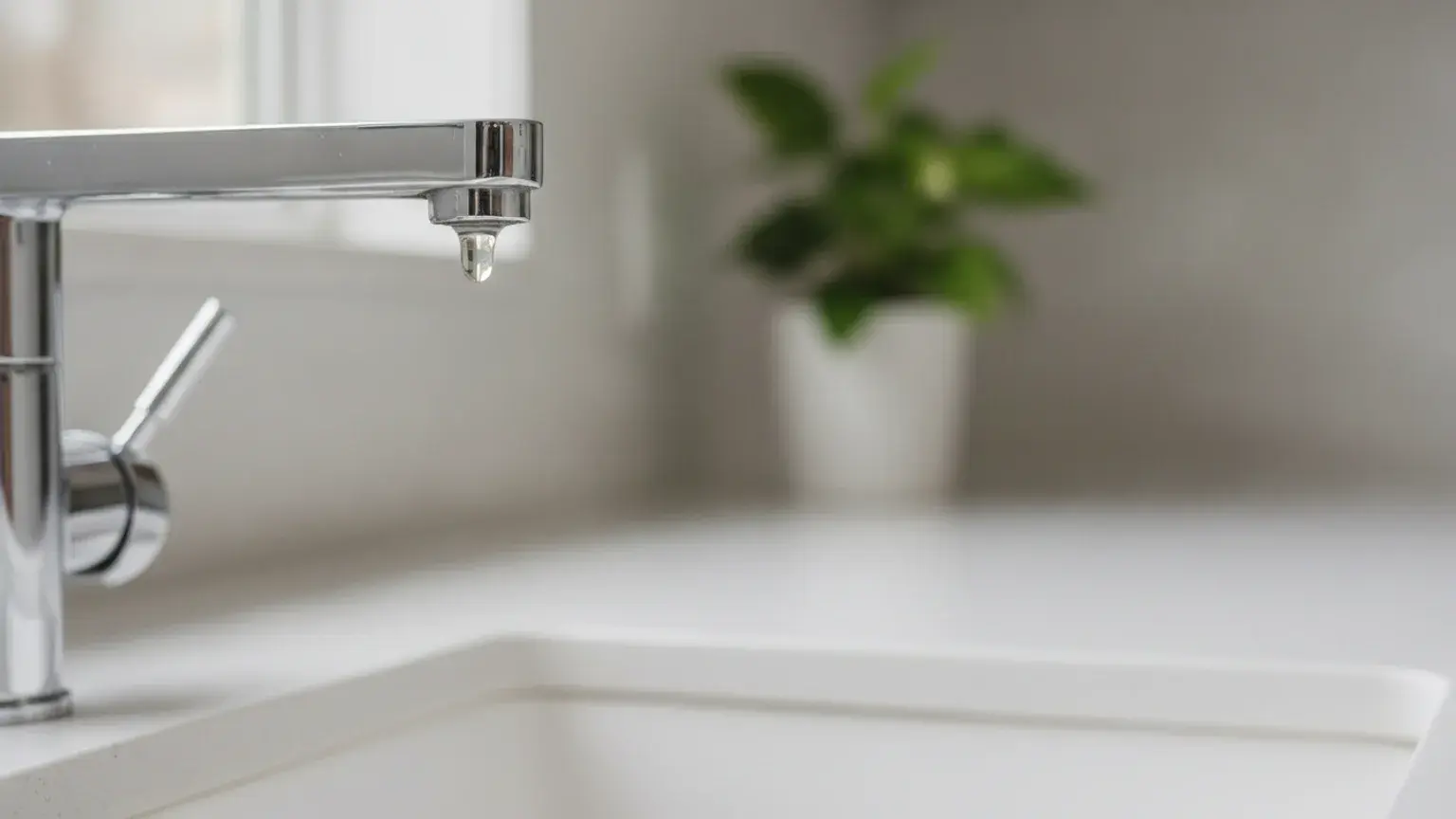
A single dripping faucet seems harmless—just a few drops hitting the sink every few seconds. Yet those drops add up to serious water waste, higher bills, and a surprising environmental footprint that affects desert communities like Mesa and the entire Phoenix area. Understanding what leaky faucets actually cost our planet can motivate you to fix them quickly, and the good news is that most repairs are simpler than you think.
The numbers are startling. A faucet that drips once per second wastes about 3,000 gallons of water per year. That's enough to fill a backyard swimming pool halfway or take more than 180 showers. If the drip is faster—say, a steady stream the width of a pencil—you could be losing 30 gallons per day, or nearly 11,000 gallons annually.
In Arizona, where water conservation is critical, every gallon counts. The Colorado River and groundwater supplies that feed our taps are under pressure from decades of overuse and drought. When you ignore leaky faucets, you're contributing to regional water scarcity and forcing municipalities to pump, treat, and deliver water that literally goes down the drain.
Wasted water means wasted energy. Every gallon that flows to your home requires electricity to pump, treat, and heat. When hot water drips from your kitchen or bathroom faucet, you're also wasting the natural gas or electricity used by your water heater. Over a year, a hot-water drip can add $35 to $50 to your energy costs on top of the wasted water charges.
For Mesa homeowners dealing with hard water, mineral buildup around leaky faucets can cause additional wear on fixtures and lead to more frequent replacements. The calcium and magnesium in our local water supply accelerate corrosion when a steady drip keeps surfaces wet.
Water waste has ripple effects throughout the ecosystem. Here's what happens when thousands of homes ignore leaky faucets:
Even small leaks collectively drain millions of gallons from our regional water supply. According to the EPA, household leaks across America waste nearly 1 trillion gallons annually—enough to supply 11 million homes for a year.
Understanding why faucets leak helps you prevent future problems. Most leaks stem from a few common issues:
Age matters too. A faucet more than 10 years old has likely experienced enough thermal cycling and mineral exposure that multiple components are near failure.
Most homeowners can handle basic faucet repairs with standard tools. Here's a practical approach:
There are four main designs, and each repairs differently:
You'll typically need:
Always turn off the water supply before starting any repair. Look for shut-off valves under the sink, or use your main water shut-off if needed. Turn on the faucet to drain remaining water.
For compression faucets, remove the handle, unscrew the packing nut, and extract the stem. Replace the washer at the bottom and the O-ring on the stem.
For cartridge faucets, remove the handle and any retaining clips, then pull out the cartridge. Replace it entirely or just swap the O-rings if they're the problem.
For ball faucets, remove the handle and cap to access the cam, washer, and rotating ball. Repair kits with all necessary parts cost $10-$20.
For ceramic-disc faucets, lift out the cylinder and clean the inlet holes with vinegar. Replace the seals if they're cracked.
Remove mineral deposits from all metal surfaces with white vinegar. Apply plumber's grease to O-rings and moving parts. Reassemble in reverse order, being careful not to over-tighten.
Some situations require expert help. Contact a licensed plumber if:
For homeowners in Mesa, professional repair typically costs $150-$300, depending on the fixture complexity and whether parts need ordering. That investment pays for itself within months through water and energy savings.
Proactive maintenance extends faucet life and prevents waste. Follow these practices:
Quality matters when replacing faucets. Mid-range and premium fixtures use better materials and longer-lasting cartridges. A $200 faucet that lasts 15 years beats a $50 model that needs replacement every three years.
Fixing leaky faucets is one of the easiest ways to reduce your environmental footprint. A simple washer replacement takes 20 minutes and costs a few dollars, yet saves thousands of gallons annually. In the Arizona desert, where water is precious and energy is expensive, that conservation directly benefits both your wallet and the ecosystem.
Don't wait until the drip becomes a stream. Address leaks as soon as you notice them, and your plumbing system will reward you with lower bills, longer fixture life, and the satisfaction of protecting our shared water resources.

Judds Plumbing
Over 25 Years Of Plumbing Experience In The Plumbing Industry
We are an owner operated Commercial & Residential Plumbing company in Arizona. We are ready to provide Plumbing Services for all your Plumbing needs.
Our primary services areas includes: Mesa, Tempe, Chandler, Gilbert, Queen Creek, Apache Junction, Sun Lakes, Ahwatukee and Scottsdale.



ROC 340237 Specialty Dual Plumbing License CR-37
Commercial & Residential
OSHA 30 Certified
Call Justin at 623-304-5833 or 623-304-JUDD
Web Design by Gilbert Web Design Copyright 2024 all rights reserverd