
Judd's Plumbing
Blog
2026-07-16
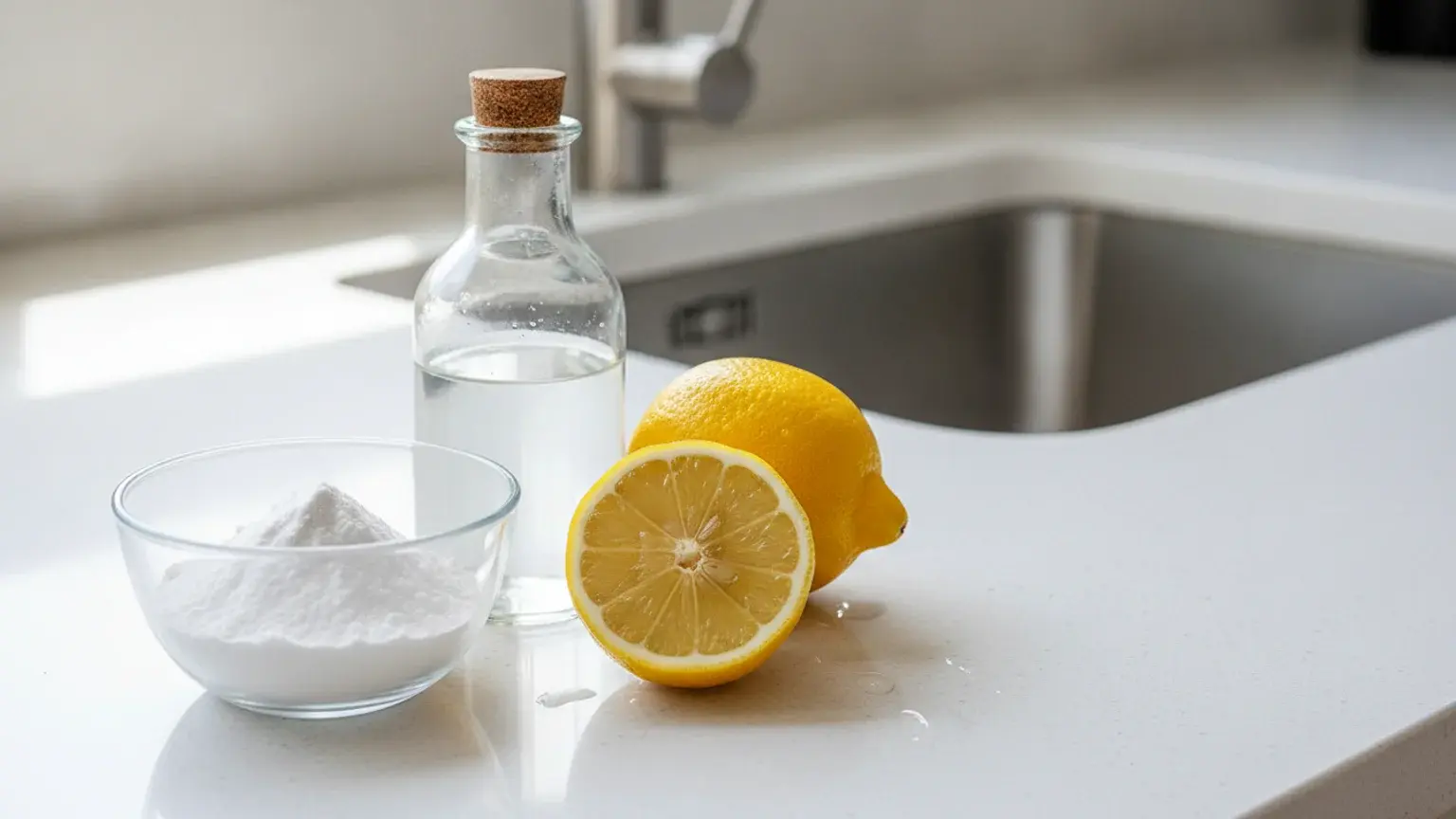
Chemical drain cleaners promise quick fixes, but they come with hidden costs—corrosion to your pipes, toxic fumes in your home, and environmental damage when those harsh substances enter our water system. For Phoenix-area homeowners dealing with slow drains, eco-friendly drain cleaners offer a smarter alternative that protects your plumbing, your family, and Arizona's desert ecosystem without sacrificing effectiveness.
Traditional chemical drain cleaners contain sodium hydroxide (lye) or sulfuric acid that generate extreme heat—sometimes reaching 200°F—to dissolve clogs. While this aggressive approach can clear blockages, it also:
Eco-friendly drain cleaners work differently. They use natural chemical reactions, enzymes, or mechanical action to break down clogs without extreme heat or toxicity. The result is effective cleaning that preserves your plumbing system and keeps harsh chemicals out of Mesa's water supply.
Several eco-friendly approaches clear most common clogs, from hair and soap buildup to grease and food particles. Here are the most effective options:
This classic combination creates a fizzing reaction that loosens debris. The process is simple:
This method works best for mild clogs and routine maintenance. The acetic acid in vinegar and alkaline baking soda create carbon dioxide bubbles that dislodge stuck material. For tougher blockages, repeat the process or let the mixture sit overnight before the final flush.
For greasy kitchen drain clogs, this combination provides extra scouring power:
The coarse salt acts as a mild abrasive that scrubs pipe walls while the baking soda neutralizes odors and breaks down organic matter. This approach is particularly effective for drains in Gilbert and Chandler homes that accumulate cooking oil buildup.
Commercial eco-friendly drain cleaners use natural enzymes or bacteria that digest organic clogs. These products work slowly—typically requiring 8-12 hours—but offer several advantages:
Look for products containing specific enzyme types: protease for protein-based clogs (hair, food), lipase for grease, and amylase for starches. Popular brands include Bio-Clean, Green Gobbler, and Earthworm Drain Cleaner.
Sometimes the most eco-friendly solution is purely physical. These tools require no chemicals at all:
Mechanical removal is ideal for hair and solid object clogs that chemicals can't dissolve. For bathroom drains in Scottsdale homes dealing with long hair accumulation, a simple plastic drain snake costs under $5 and solves the problem immediately.
Natural methods have limitations. Understanding when to use them—and when to call a professional—saves time and prevents damage:
These approaches struggle with:
If you've tried natural methods twice without success, the clog is likely too severe for DIY solutions. Continuing to pour cleaners down a completely blocked drain can cause water backup and potential flooding.
Stopping clogs before they form eliminates the need for any cleaner. These habits keep drains flowing freely:
In Tempe and Apache Junction, where hard water is common, consider monthly vinegar rinses to dissolve mineral deposits before they harden into serious blockages.
Making your own cleaners saves money and reduces plastic waste. Here are proven formulas:
Mix thoroughly and store in an airtight container. Use 1/4 cup weekly followed by boiling water.
Pour dry ingredients down drain, then add boiling water. The higher temperature helps dissolve stubborn grease.
Mix baking soda with essential oil, add to drain, follow with vinegar after 5 minutes. Let sit 30 minutes before flushing.
These recipes cost pennies per use compared to $5-$10 for commercial products and work just as effectively for routine maintenance.
Some situations require expert equipment and experience. Contact a licensed plumber if:
For homeowners in Chandler and Queen Creek, professional hydro-jetting clears severe blockages using high-pressure water—no chemicals required. This eco-friendly mechanical method scours pipe walls clean and typically costs $300-$600 depending on the severity and location of the clog.
Choosing eco-friendly drain cleaners makes a measurable difference. Consider that:
In Arizona's desert environment, protecting our limited water resources matters. When you choose natural drain cleaning methods, you're keeping toxins out of groundwater that eventually recharges our aquifers and feeds the rivers that support wildlife from Gold Canyon to Sun Lakes.
Transitioning from chemical to natural drain cleaners is straightforward. Start by:
The initial investment is minimal—under $30 for all supplies—and these products serve multiple household cleaning purposes beyond drain care.
Natural drain cleaning methods protect your pipes, your health, and Arizona's environment without sacrificing effectiveness. For routine maintenance and most common clogs, eco-friendly drain cleaners work as well as harsh chemicals while costing less and posing zero risk to your plumbing system.
Prevention remains the best strategy. Simple habits like using drain screens, avoiding grease disposal in sinks, and performing monthly maintenance keep clogs from forming. When blockages do occur, start with gentle natural methods and progress to mechanical removal before considering chemical options.
Your drain cleaning choices ripple outward—from the pipes in your Ahwatukee home to the groundwater beneath the Valley and eventually to the rivers that sustain our desert ecosystem. Making the switch to eco-friendly alternatives is a simple step that benefits both your household and the broader community.
Judds Plumbing
Over 25 Years Of Plumbing Experience In The Plumbing Industry
We are an owner operated Commercial & Residential Plumbing company in Arizona. We are ready to provide Plumbing Services for all your Plumbing needs.
Our primary services areas includes: Mesa, Tempe, Chandler, Gilbert, Queen Creek, Apache Junction, Sun Lakes, Ahwatukee and Scottsdale.



ROC 340237 Specialty Dual Plumbing License CR-37
Commercial & Residential
OSHA 30 Certified
Call Justin at 623-304-5833 or 623-304-JUDD
Web Design by Gilbert Web Design Copyright 2024 all rights reserverd