Judd's Plumbing
Blog
2026-10-23
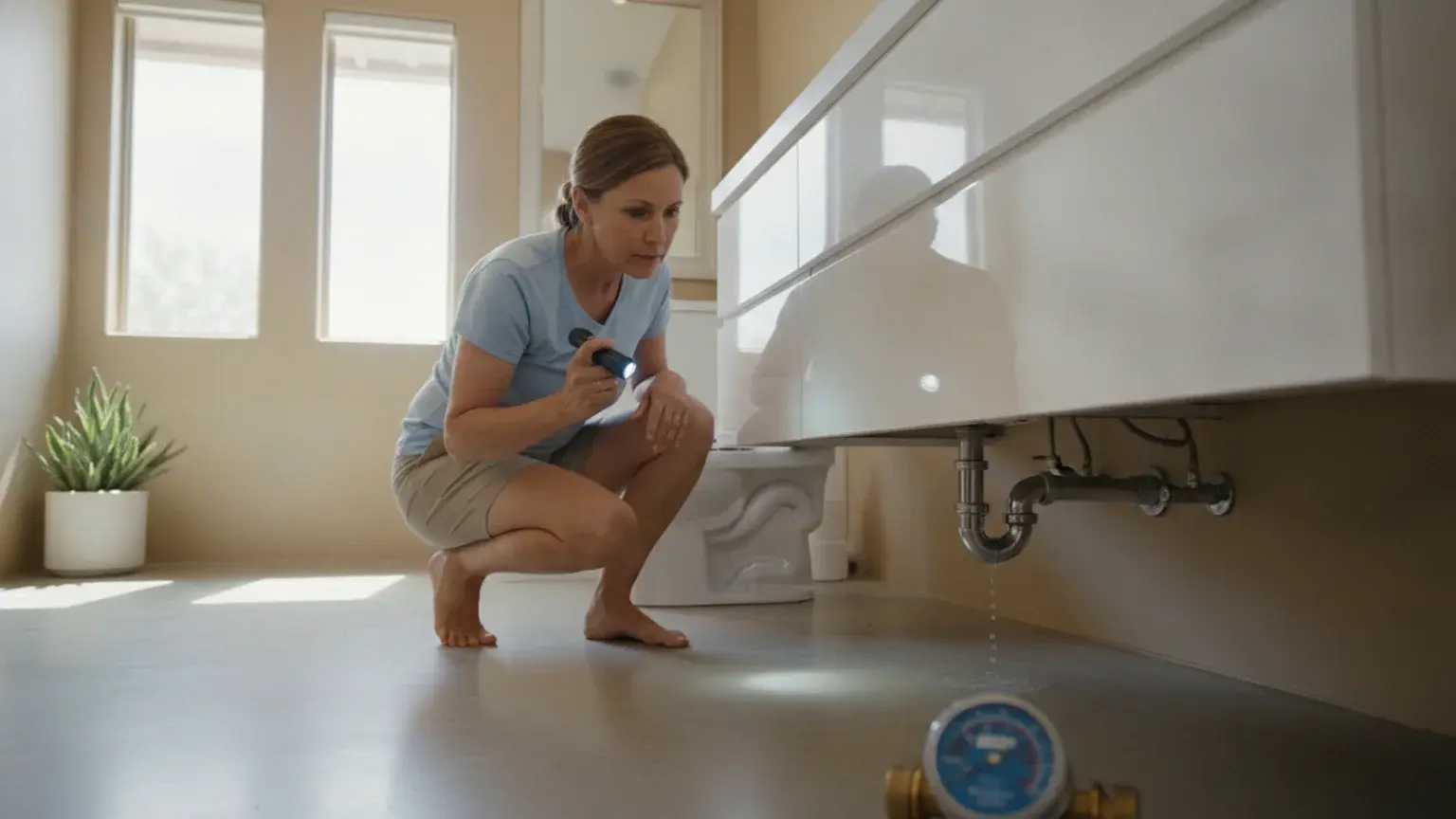
Detecting hidden water leaks early can save you thousands of dollars in repair costs and prevent serious structural damage to your home. Unlike obvious burst pipes or dripping faucets, hidden leaks lurk behind walls, under slabs, and in crawl spaces where they silently waste water and cause damage for weeks or months before you notice.
In Mesa and throughout the Phoenix metro area, hidden leaks are particularly concerning because our hard water and shifting soil conditions can accelerate pipe deterioration. The good news is that you can learn to spot the warning signs and use simple detection methods before calling in the professionals.
Hidden water leaks cause problems that compound over time. A slow leak behind a wall might only waste a few gallons per day initially, but that moisture creates ideal conditions for mold growth, wood rot, and insulation damage.
The average household leak wastes nearly 10,000 gallons of water annually, according to the EPA. That's enough to fill a backyard swimming pool. Beyond the environmental impact, you're paying for water you never use, and the structural damage from long-term moisture exposure can cost $5,000 to $20,000 or more to repair.
Common locations for hidden leaks include:
The water meter test is your most reliable DIY method for detecting hidden water leaks. This simple check confirms whether water is flowing when nothing in your house should be using it.
Here's how to perform the test:
Turn off all water-using appliances and fixtures in your home. Check that toilets aren't running, the dishwasher and washing machine are off, outdoor irrigation is disabled, and no one is using faucets or showers.
Locate your water meter, typically in a concrete box near the street or in your front yard. In Mesa, most meters are located near the curb.
Record the exact reading on your meter. Most meters have a sweep hand or digital display. Take a photo with your phone for reference.
Wait 30 minutes to two hours without using any water. The longer you wait, the more accurate your test for small leaks.
Check the meter again. If the reading has changed at all, you have a leak somewhere in your system.
For an even more sensitive test, many meters have a small triangular or star-shaped flow indicator that spins when any water moves through the meter. If this indicator moves when everything is off, you definitely have a leak.
An unexplained spike in your water bill is often the first clue homeowners get about a hidden leak. Pull out your last six to twelve months of water bills and look for patterns.
A family of four typically uses 12,000 to 16,000 gallons per month. If your usage suddenly jumps 20% or more without explanation (no lawn watering changes, no extra guests, no new appliances), start investigating for leaks.
Winter bills are particularly telling because outdoor water use drops dramatically. If your winter water usage matches your summer usage, you likely have an indoor or underground leak that's running year-round.
Your ears can detect leaks your eyes cannot see. When the house is completely quiet—ideally late at night—you can sometimes hear water running inside walls or under floors.
Walk through your home and listen carefully near:
You're listening for a hissing sound, trickling water, or the subtle sound of running water when no fixtures are in use. Press your ear against walls in suspect areas, or use a mechanic's stethoscope (available for $10-20) to amplify sounds through drywall.
Toilet leaks are among the most common and wasteful hidden leaks, often wasting 200 gallons per day or more. A worn flapper valve lets water continuously leak from the tank into the bowl without making obvious noise.
Perform this simple dye test:
If colored water appears in the bowl, your flapper valve is leaking and needs replacement. This is a $5 part and a 15-minute fix for most homeowners.
Water leaves evidence, even when the leak itself is hidden. Train yourself to spot these warning signs during your regular household activities:
Sudden drops in water pressure can indicate a significant hidden leak. If your shower pressure decreases noticeably or your washing machine fills more slowly than usual, investigate for leaks before assuming it's a pressure regulator issue.
You can measure your home's water pressure with an inexpensive gauge (around $10 at hardware stores) that screws onto an outdoor hose bib. Normal household pressure should be 40-70 psi. Pressure below 40 psi might indicate a leak reducing flow.
Water heaters develop slow leaks that go unnoticed until major damage occurs. Once a month, inspect your water heater thoroughly:
If you spot corrosion, rust stains, or any moisture around your water heater, address it immediately. A small leak often precedes complete tank failure.
Slab leaks occur when pipes running beneath your concrete foundation develop leaks. These are particularly common in Arizona due to our alkaline soil and ground movement.
Signs of a potential slab leak include:
If you suspect a slab leak, professional leak detection services use electronic listening devices and thermal imaging to pinpoint the exact location without destructive investigation.
Modern leak detection tools are now affordable for homeowners. Consider these technological helpers:
Moisture meters ($30-100) measure moisture content in walls, floors, and ceilings. Point the device at suspect areas and it will tell you if moisture levels are elevated. This helps you find exactly where a hidden leak is affecting building materials.
Smart water monitoring systems ($50-500) connect to your main water line and track usage in real-time through a smartphone app. These devices alert you to unusual water flow patterns that indicate leaks, even small ones, and some can automatically shut off your water supply when they detect a major leak.
Infrared thermometers ($20-50) detect temperature differences in walls and floors. Since water-damaged areas are typically cooler than surrounding dry areas, you can scan walls to locate moisture behind them without making holes.
DIY detection methods work well for identifying that you have a leak, but locating and repairing hidden leaks often requires professional tools and expertise. If your water meter test confirms a leak but you cannot locate it after checking all accessible areas, it's time to call in the experts.
Professional plumbers in Mesa use specialized equipment including:
Professional leak detection and repair typically costs $150-500 for the detection service, which is far less than the thousands you'll spend repairing water damage from an undetected leak. In Mesa and surrounding areas, licensed professionals can locate hidden leaks in a few hours that might take you weeks to find—if you ever find them at all.
Once you've addressed any current leaks, take these preventive steps to reduce your risk of future hidden leaks:
Detecting hidden water leaks is just the first step—swift action prevents minor leaks from becoming major disasters. If your DIY detective work reveals evidence of a hidden leak, document what you've found with photos and notes, then contact a licensed plumber to locate and repair the source.
Hidden leaks don't fix themselves, and every day you delay allows more water damage, higher water bills, and increased repair costs. The detection methods outlined here empower you to catch problems early, but don't hesitate to bring in professional plumbers in Mesa when you need accurate leak location and expert repairs.
Your home is your biggest investment—protect it by staying alert for the warning signs of hidden water leaks and taking quick action when you find them.

Judds Plumbing
Over 25 Years Of Plumbing Experience In The Plumbing Industry
We are an owner operated Commercial & Residential Plumbing company in Arizona. We are ready to provide Plumbing Services for all your Plumbing needs.
Our primary services areas includes: Mesa, Tempe, Chandler, Gilbert, Queen Creek, Apache Junction, Sun Lakes, Ahwatukee and Scottsdale.



ROC 340237 Specialty Dual Plumbing License CR-37
Commercial & Residential
OSHA 30 Certified
Call Justin at 623-304-5833 or 623-304-JUDD
Web Design by Gilbert Web Design Copyright 2024 all rights reserverd